Physical Address
304 North Cardinal St.
Dorchester Center, MA 02124
Physical Address
304 North Cardinal St.
Dorchester Center, MA 02124

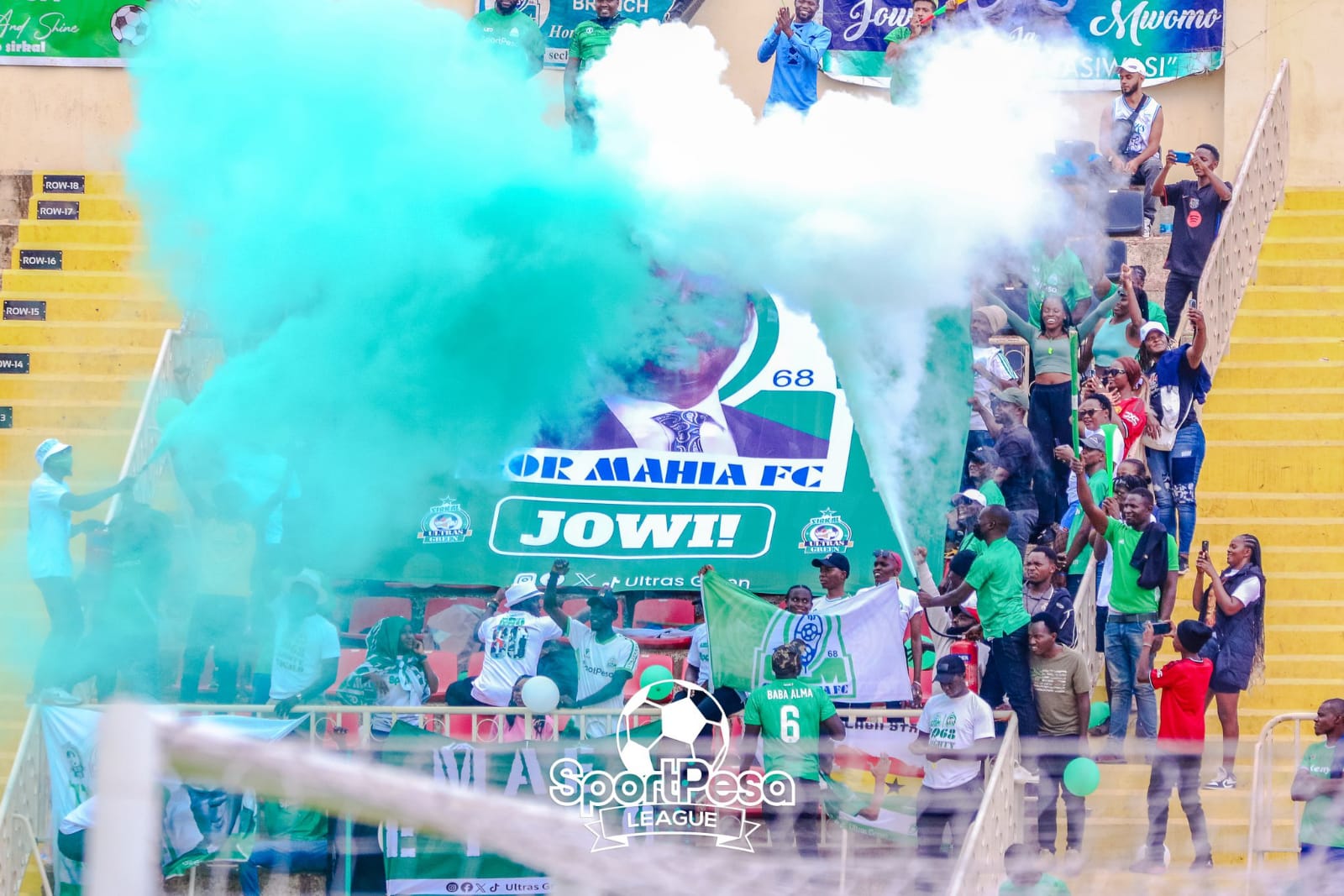
Fan engagement has become the loudest buzzword in modern football, but in Kenya, it’s more than a marketing trend. It’s a survival strategy. For years, only Gor Mahia, AFC Leopards and, more recently, Shabana have enjoyed the kind of passionate, consistent support that fills stadiums, shapes atmospheres and forces accountability from club executives. The question that hangs over the SportPesa Premier League is painfully simple: where are the rest of the fans? And what are clubs actually doing to bring them in?
To understand the moment, you first have to understand the word everyone keeps throwing around. Fan acquisition. In global football, fan acquisition means the deliberate process of finding people, attracting them, converting them into supporters and then retaining them. In Kenya, the term has to be grounded in our reality. Fan acquisition isn’t just about Instagram posts or ticketing apps. It is about reaching people in estates, rural counties, schools, matatu routes, university crowds and local tournaments. It’s about understanding what motivates a Kenyan fan, how communities form identities, how young people choose their weekend entertainment and how football clubs can fit into that culture.

Right now, the league sits at a crossroads. Gor Mahia’s Green Army, INGWE die-hards and Shabana’s revved-up supporters have shown that Kenya has the potential for massive fan culture. But many clubs still struggle to attract even a few hundred spectators for home matches. Meanwhile, some incidents of crowd trouble in recent seasons have damaged trust and forced clubs to confront the cost of poor matchday organisation. At the same time, moments like Kenya’s hosting of CHAN fixtures showed the other side: packed stadiums, electric noise, that unmistakable Kenyan football atmosphere that, at its best, is unmatched. We saw what is possible when the product, safety and organisation meet fans halfway.
And now, a new generation is coming of age. These are fans who grew up watching Premier League TikToks, sharing memes, analysing tactics on Twitter and streaming highlights straight to their phones. They love football, yes, but they also love personalisation. They want to hear the players speak. They want behind-the-scenes glimpses. They want Instagram Reels, YouTube diaries, mic’d-up training clips and meet-and-greets that feel human, not forced. They want convenience: mobile ticketing, M-Pesa payments, fast entry at the gates and the kind of matchday experience they can share online.
If Kenyan clubs want this generation to show up, they must co-create the atmosphere with them. Look at the Green Ultras: organised chants, colours, movement, identity. It’s not accidental. It’s built. And it’s something any club can learn from if they take fan culture seriously instead of treating supporters like distant customers.
For engagement to work, clubs must first understand that not all fans are the same. Some are die-hard loyalists who buy jerseys every year, sit in the same stands, travel for away games and even buy club merchandise directly from the clubhouses. These are the Superfans. They don’t need to be convinced to love the team — they need to be given structure, respect and a sense of belonging. Kenyan clubs should already have all-season tickets for them, membership packages, loyalty tiers and official recognition.

Then there are families. Parents who want to bring kids to the stadium but need safety, cleanliness and a welcoming environment. That means designated family zones, early kick-offs for family days, kid-friendly activities and seating away from the rowdy end. In a country where young kids discover football through school tournaments, this group is incredibly important. Stadiums should be adapted to them, not the other way around.
There’s also the casual fan: the person who only shows up when there’s a big match, who follows results but not every detail. This fan will grow if the experience gets better. If clubs offer affordable tickets, if the social media content is engaging, if the stadium environment feels like an outing worth planning.
Real fan engagement requires data. Kenyan clubs have barely scratched the surface of what data can do. Electronic ticketing, when done properly, not only stops counterfeits but also helps clubs know who is attending, where they sit, how often they return and what they might want next time. When matched with CRM systems, clubs can finally personalise communication. Imagine getting a call or message reminding you of the next match, offering you a discount because you’ve attended the last three home games, or sending you a children’s package because your last ticket purchase was for a family section seat. This is how European and South American clubs build loyalty, and the same can work here.
But data isn’t just about marketing. It’s also about safety. Kenya has had its share of dangerous moments — crowd surges, pitch invasions, chaotic ticketing, fans scaling walls or forcing gates open. These incidents dent trust and chase away families, sponsors and neutrals. The CHAN experience taught us both the power and the danger of huge turnouts. When organisation slipped, CAF raised concerns. When management was tight, the festivities were world-class. If clubs adopt proper entry lanes, trained crowd marshals, electronic gate systems, clear evacuation protocols and honest ticket audits, stadiums will feel safer. And when people feel safe, they return.
Matchdays should become events, not just fixtures. Pre-match fan zones with music, food stalls, children’s corners, local artists performing, player meet-ups, club museums or pop-up history tents — all these can transform how fans remember the experience. Halftime doesn’t need to be dead time; it can be entertainment time. After games, players can walk around the pitch to acknowledge fans or invite ball boys and girls for short interactions. These little moments help turn spectators into loyal supporters.
Internationally, fan experience models like the 360-degree approach taught at the Johan Cruyff Institute and applied at clubs such as FC Barcelona emphasise understanding fans, measuring engagement, building identity and designing immersive experiences. Kenyan clubs can adapt these ideas — not by copying the expensive elements, but by focusing on what resonates locally: culture, community and authenticity.
Revenue will follow engagement. Season tickets, digital subscriptions, matchday hospitality, merchandise, micro-sponsorships and youth academy activations all depend on a club having a predictable fan base. The more a club understands its supporters, the more valuable those supporters become — to sponsors, to broadcasters and to the club itself.
Community clubs and corporate clubs must both evolve. Corporate clubs often lack the soul and fan traditions of community teams but have better financial planning. Community clubs have deep identity but need modern governance and revenue discipline. Kenya needs a hybrid approach — corporate efficiency blended with community passion.
Interestingly, Kenya’s biggest hidden advantage is how fiercely people support high school and grassroots football. Those local matches draw raw emotion, intense loyalty and some of the best atmospheres in the country. Top-flight clubs must learn from that. Go to the schools. Go to estates. Go to the counties. Make the club part of the community’s weekly rhythm.
If Kenyan football is serious about its future, the fan cannot remain an afterthought. Engagement is no longer optional. It is the foundation on which stadiums fill, sponsors invest, and clubs survive stormy seasons. The league has the passion, the history and the talent. Now it needs the strategy.
Fan culture is not built in press conferences or boardrooms. It is built in conversations, in stands, in neighbourhoods, in digital spaces, in family day-outs, in chants, in colour and in shared memories. If Kenyan clubs commit to understanding, studying and serving their fans with intention, the SportPesa Premier League will not only grow — it will transform.


